
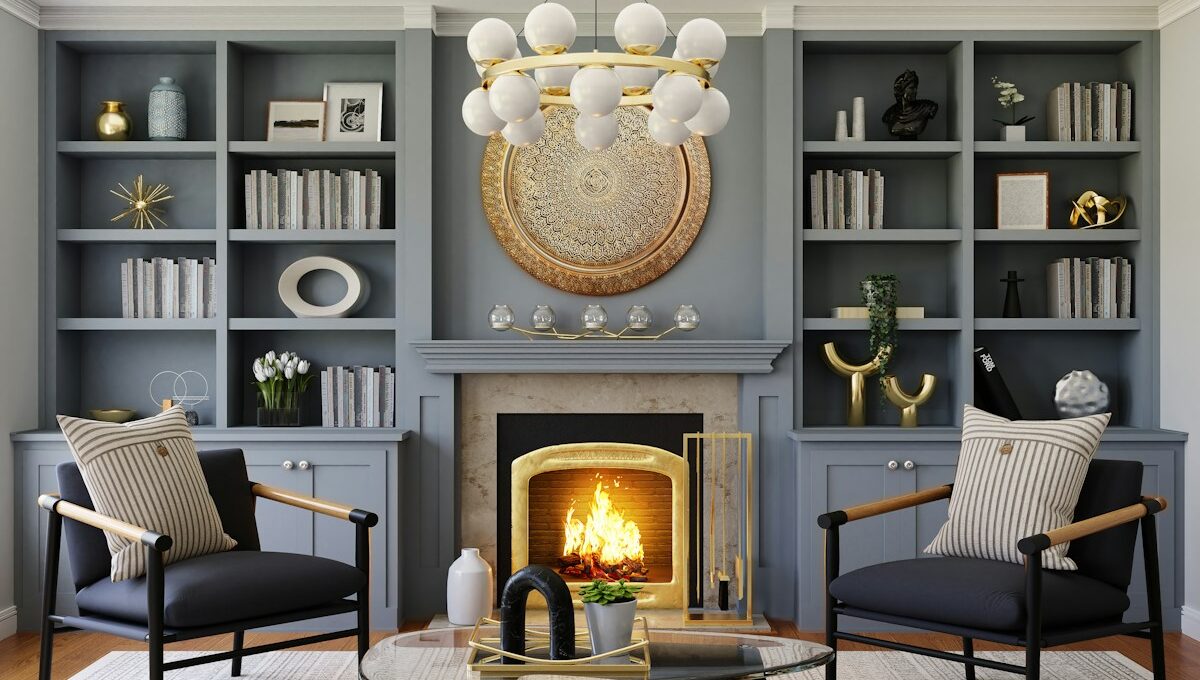
- Effective home organization is a system architecture problem, not a willpower problem.
- Each room has a distinct functional logic; organizing tactics must match that logic.
- Entry zones and kitchens generate the highest disorder volume — solve these first.
- Sustainable order requires frictionless return paths, not discipline.
- A 20-minute weekly reset prevents the need for quarterly overhauls.
Most people approach home organization as a periodic event — a Saturday project, a seasonal purge, a new year resolution. This is precisely why it never holds. Organization is not an event. It is an operating system: a set of spatial rules that run continuously, invisibly, and without requiring your attention once correctly installed.
This guide delivers a room-by-room framework engineered for permanence. No motivational language. No vague advice to “create a space you love.” Only structural decisions, sequenced in order of impact, with the cognitive science behind each one.
Why Most Organization Systems Fail

The failure mode is consistent across households: an initial burst of organizing energy produces visible results, which decay within six to eight weeks as life reasserts its natural entropy. The root cause is not laziness — it is architectural error: systems designed for best-case behavior rather than real-world use.
The Three Structural Errors
Error 1 — Storage without logic. Objects are placed where space exists, not where use patterns demand. A cutting board stored on the opposite side of the kitchen from the prep area will migrate. Always.
Error 2 — Return friction. Putting something away requires more steps than leaving it out. This asymmetry guarantees accumulation. Every extra lid, latch, or unnecessary reach converts a good system into an unused one.
Error 3 — No exit protocol. Objects enter the home continuously. Without a defined exit process — donation, discard, relocate — net volume grows indefinitely. Organization applied to an expanding object set is a losing position.
Pair this diagnostic with our detailed methodology in the Swedish death cleaning guide — which addresses the exit protocol problem at its psychological root.
The Entry & Command Zone
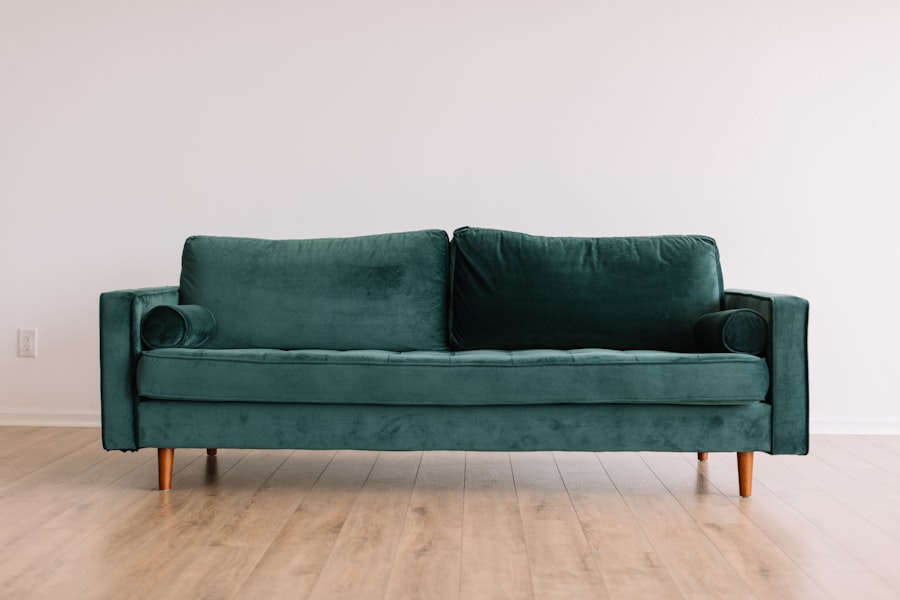
The entry point of any home is where disorder is born. Keys, bags, mail, shoes, coats: without designated landing zones at the threshold, these objects diffuse throughout the living space within hours. The entry zone is a pressure valve. Get it wrong and the rest of the home’s organization degrades continuously.
Entry Zone Specification
Within arm’s reach of the front door, every household needs: a fixed key hook (one per person, labeled), a bag and coat drop point with defined capacity, a mail triage station with three slots — action, file, discard — and a shoe containment system matched to actual household volume. Nothing else belongs here.
Kitchen: The Operational Hub

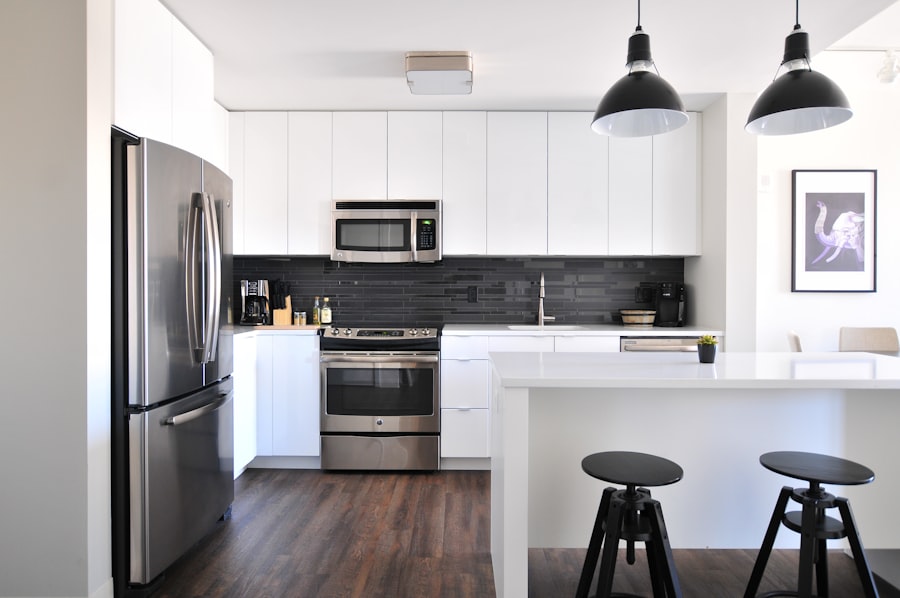
The kitchen generates more daily disorder than any other room. It is used multiple times per day by multiple people under time pressure. Organization here must be engineered for speed, not aesthetics.
Zone-Based Kitchen Layout
Divide the kitchen into four functional zones and store exclusively within them: Prep (knives, boards, mixing tools — at the prep counter), Cook (pots, pans, spatulas — adjacent to the stove), Serve (plates, glasses, cutlery — near the eating area), Store (pantry items, bulk goods — away from heat and water). Counter surfaces carry one rule: if it is not used daily, it is not on the counter. For a complete drawer and cabinet system, see our kitchen drawer organizer system guide.
Living Room: Visual Calm by Design
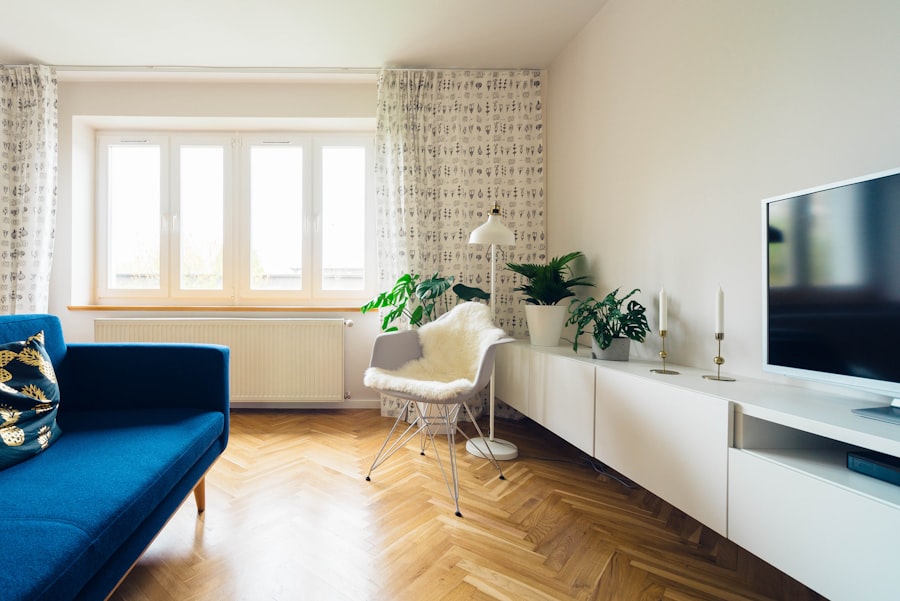
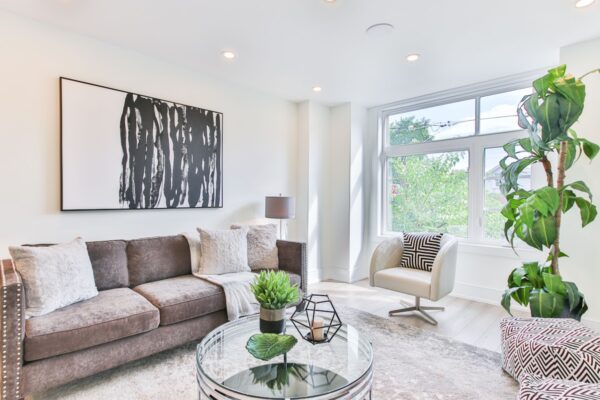
The living room is a multi-function space used for relaxation, entertainment, work, and family activity — often simultaneously. The solution is a layered containment architecture that adapts to each use mode while presenting a calm default state.
Closed Over Open
Open shelving generates a continuous organizational maintenance cost: every visible surface must be curated at all times. Specify closed-door storage for everyday items and reserve open display for a deliberately edited selection — maximum three to five objects per shelf unit. For spatial layout strategies, our small living room layout guide covers furniture placement logic for rooms under 25 square meters.
Bedroom: Sleep Environment Engineering

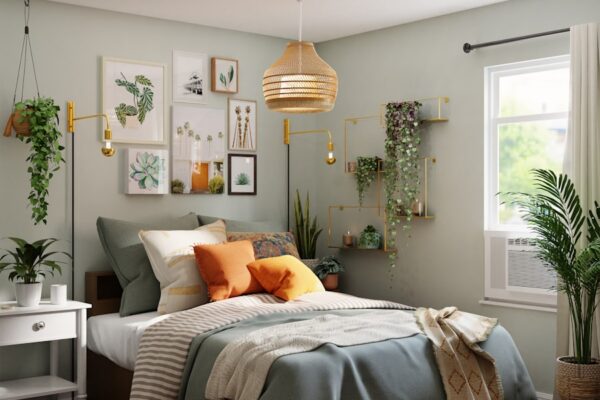
The bedroom carries neurological disproportionality: it is the first and last environment processed each day, and its disorder state directly correlates with sleep onset latency and morning cortisol levels. Research from the Sleep Foundation consistently links visual complexity in the sleep environment to reduced sleep quality.
Bedroom Organization Priorities
Apply strict containment to three categories: clothing (wardrobe, never a chair), active items (phone, book, water — nightstand only, maximum three objects), and floor (completely clear). For a systematic closet audit, our minimalist closet audit framework provides a decision tree for clothing inventory reduction. For full bedroom storage architecture, see the bedroom storage optimization system.
Bathroom: Tight Space, Maximum Efficiency
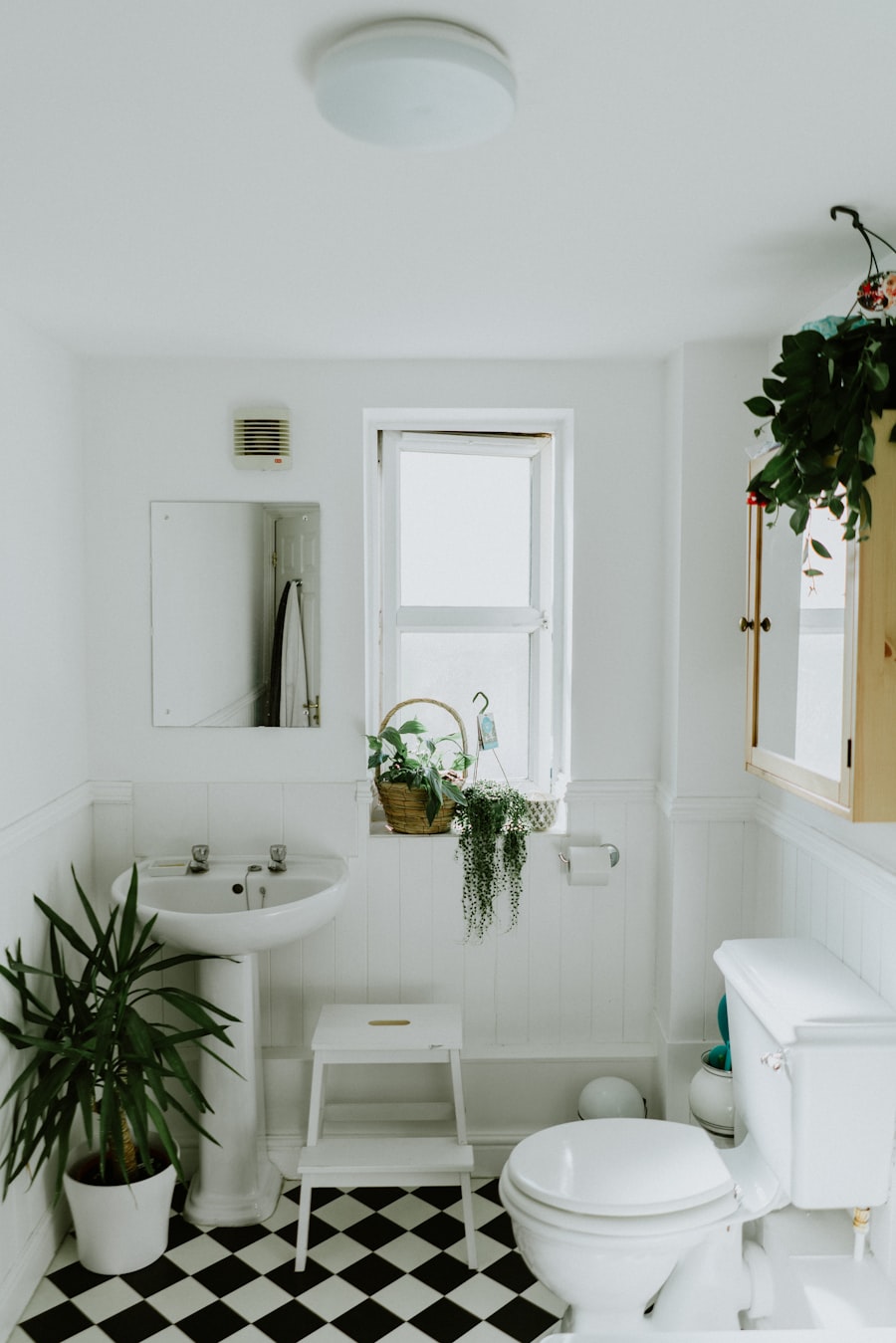
Bathrooms are the room most commonly organized and most quickly disordered. The cause is consistent: product proliferation. The average bathroom cabinet contains 30–40 personal care products, of which approximately 40% are unused duplicates, near-empty containers, or expired items.
The Audit-First Approach
Before acquiring any organizing product, conduct a full inventory: remove everything, discard expired and unused items, consolidate duplicates. In most households this single step reduces volume by one-third — eliminating the storage problem before any organizer is purchased. Post-audit, apply vertical storage logic and reserve counter space for the daily-use set only, maximum six items.
Home Office: Cognitive Workspace Protocol
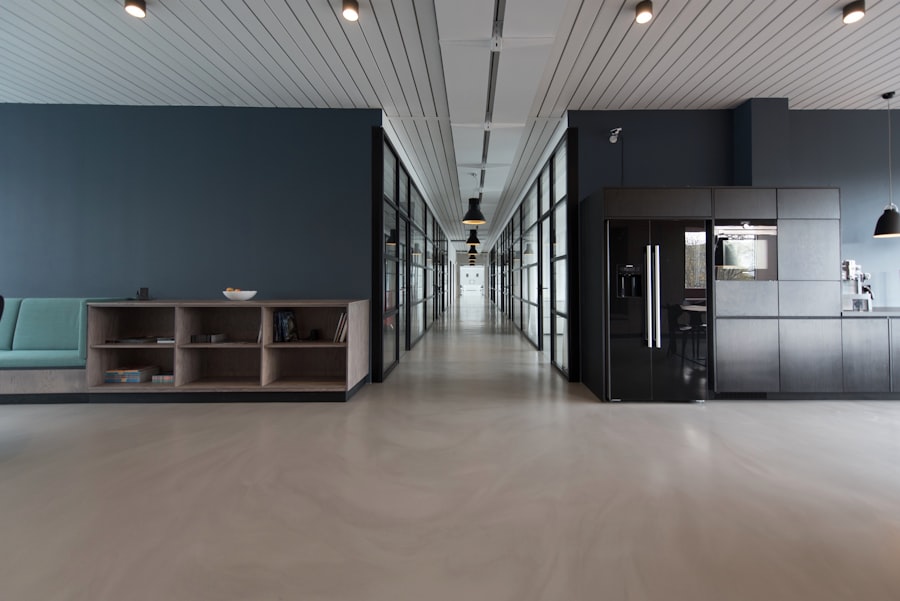
The home office carries the highest cognitive stakes of any room. Research from Princeton’s Neuroscience Institute established that physical clutter in the visual field reduces working memory capacity and focus duration — a measurable performance degradation applied daily.
The Single-Surface Rule
The desk holds only the active task. Everything else has a designated off-surface home and returns there at the close of each working session. Paper management follows a four-category system: Action, Reference, Waiting, Archive. For a complete paper management methodology, see our paper clutter filing system.
Maintenance: The System That Runs Itself
A system that requires constant intervention is not a system — it is recurring labor. The objective is to design maintenance triggers into existing behaviors so that order is preserved automatically.
Daily reset — 10 minutes. Attach to a fixed daily event: post-dinner or pre-sleep. Surfaces clear, displaced objects returned, entry zone processed. This single habit prevents 80% of disorder accumulation.
Weekly zone audit — 20 minutes. One room, one pass. Identify and resolve any object without a home before it generates secondary displacement.
Quarterly volume audit — 2 hours. Full household review. Objects unused in 90 days are evaluated for exit. This prevents slow-accumulation drift — the most common long-term failure mode of organized homes.
For a cleaning schedule that integrates directly with this protocol, see our weekly cleaning schedule template.
Conclusion

The room-by-room system presented here is not a one-time project. It is a permanent infrastructure investment. The return is a home that actively supports cognitive performance, reduces daily decision load, and requires only marginal effort to sustain.
Start with the entry zone. Fix the kitchen. Engineer the bedroom. The rest follows the same logic, applied room by room, until the entire home operates as a single coherent system.
The “three structural errors” section reframes something I’ve been doing wrong for years. I kept buying organizers thinking the problem was insufficient storage — turns out it was return friction. Every container I bought had a lid. Switched to open-top bins in the entry zone last month and the keys-and-bag chaos dropped immediately. Simple fix, significant result.
As an interior designer I appreciate that this avoids the “declutter and buy pretty baskets” formula that dominates most organization content. The zone-based kitchen logic is exactly how I spec storage for clients — prep, cook, serve, store as distinct territories. The FIFO pantry point is underrated; it permanently solves the “why do I keep buying pasta” problem.
James — the FIFO point comes from watching the same pattern repeat across dozens of client kitchens. Container standardization is the enabler most guides skip: identical-height containers let you see and rotate stock rather than rummaging. A follow-up piece on pantry architecture specifically is in the pipeline.
The quarterly volume audit at two hours is the piece most people skip because it feels optional. In practice it is the mechanism that prevents the entire system from drifting back to baseline over 12 months. I’ve run one every quarter for two years — the amount of re-accumulation caught each cycle is still surprising. The system works precisely because of this scheduled checkpoint.