
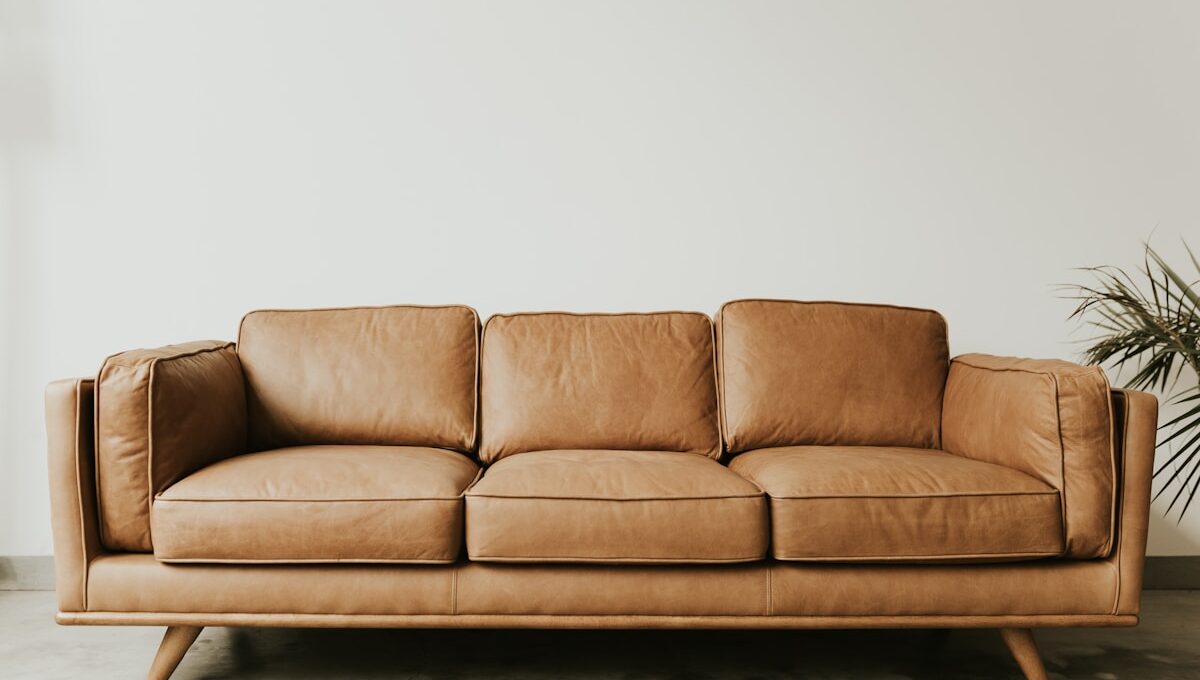
- The bedroom has five distinct storage zones; most bedrooms use two or three, leaving significant capacity untapped.
- Wardrobe interior reconfiguration typically doubles usable hanging and shelf capacity without changing the wardrobe footprint.
- Under-bed storage is the highest-density recoverable zone in most bedrooms — and the least efficiently used.
- The nightstand is a storage surface, not a deposit zone; three objects is the functional and visual ceiling.
- Bedroom storage succeeds or fails based on the clearness of the floor — everything else is secondary.
The bedroom is the room where storage failure is most directly felt, because its consequences are immediate and daily: the floor covered in clothing, the wardrobe too full to close properly, the surfaces accumulating objects that have nowhere else to go. Unlike the kitchen or living room, where disorder is shared or social, bedroom disorder is intimate — it is the first thing seen in the morning and the last thing seen at night, making its cognitive impact disproportionate to its actual volume.
Bedroom storage optimization is a systematic process of identifying and activating all available storage zones, configuring each zone for maximum functional capacity, and establishing return protocols that maintain the system without ongoing effort.
Zone 1: The Wardrobe Interior

The standard wardrobe interior — a single hanging rail at approximately 180cm height and a shelf above it — is designed for a generic user and optimizes for none. Most wardrobes contain a significant proportion of short garments (shirts, jackets, folded items on hangers) that occupy only half the rail height, leaving the lower half of the hanging zone unused. Installing a second hanging rail at 90cm height beneath the upper rail doubles the hanging capacity for short garments with no impact on the wardrobe’s external footprint.
Shelf inserts divide the single wide shelf above the rail into usable compartments. Dividers between folded stacks prevent the lateral collapse that converts folded shirts into a single mixed pile within days. Door-mounted organizers — pocket systems, small shelves, hook rails — activate the interior door surface for accessories, ties, belts, bags, and small items that otherwise accumulate on the floor or on horizontal surfaces. Clear shoe boxes stacked on the wardrobe floor allow vertical shoe storage with immediate identification of contents, significantly outperforming the standard single-layer shoe arrangement that constrains the floor to shoe count.
The most impactful single intervention before any purchase is the clothing audit. A wardrobe that is overfull cannot be organized effectively regardless of divider quality. For the systematic clothing reduction process, our minimalist closet audit framework provides the decision criteria for identifying which garments to retain, donate, and release.
Zone 2: Under-Bed Storage
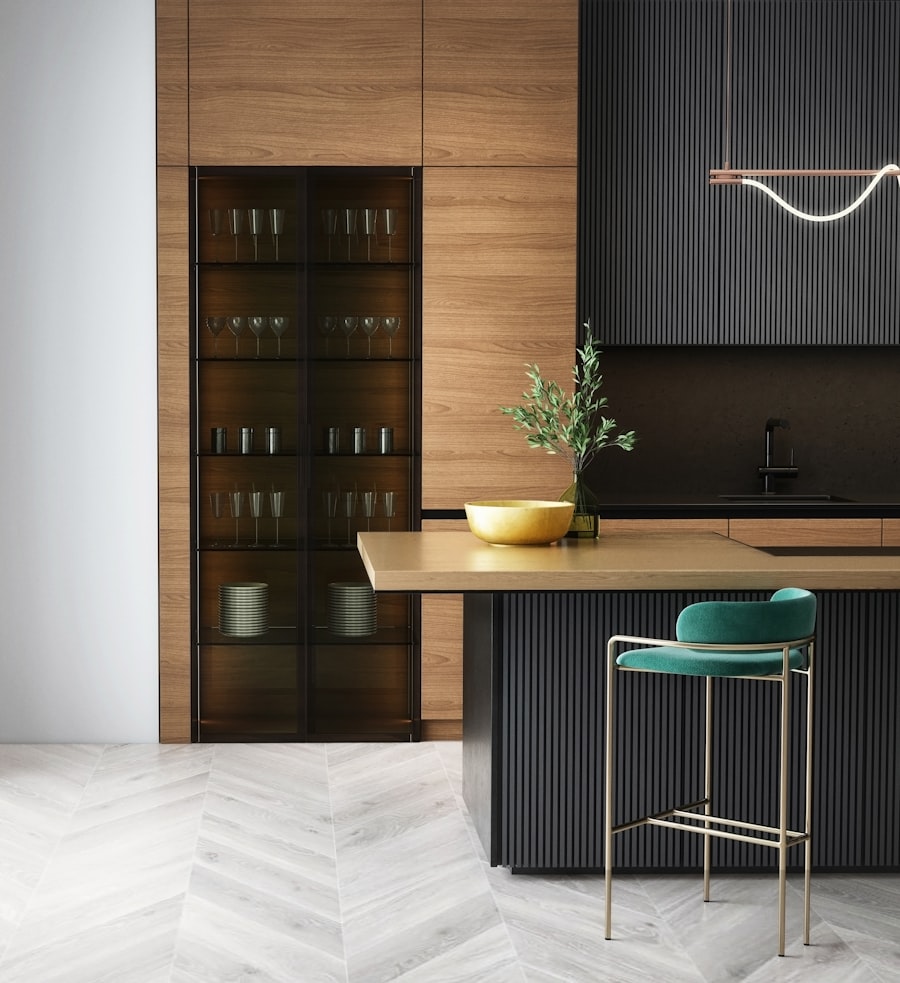
The space beneath a standard bed frame — typically 25 to 35 centimeters in height — represents one of the largest recoverable storage volumes in a bedroom. In most bedrooms it is either entirely unused or used as informal overflow storage for items in bags and boxes that are never retrieved. Neither is an adequate use of space that, when properly organized, can absorb an entire season’s worth of clothing, bedding, and textiles.
Under-bed storage is best organized with flat rolling containers sized to the available height clearance. The key specification is clear-sided or mesh panels so that contents are identifiable without removal — under-bed storage that requires physical extraction to identify contents is effectively invisible storage and will not be used for regular seasonal rotation. Assign under-bed zones by category: one side for seasonal clothing, one side for extra bedding, one zone for occasional-use items. Label all containers on the face that is visible when the container is pulled out.
Platform beds with integrated drawers eliminate the container-and-roller requirement and provide the cleanest visual result, though at higher cost. For bedrooms where the existing bed frame has insufficient clearance for rolling containers, bed risers — threaded or clip-on leg extensions — raise the frame to the required height. Most bed frames accept risers that provide an additional 10 to 15 centimeters of clearance.
Zone 3: The Nightstand

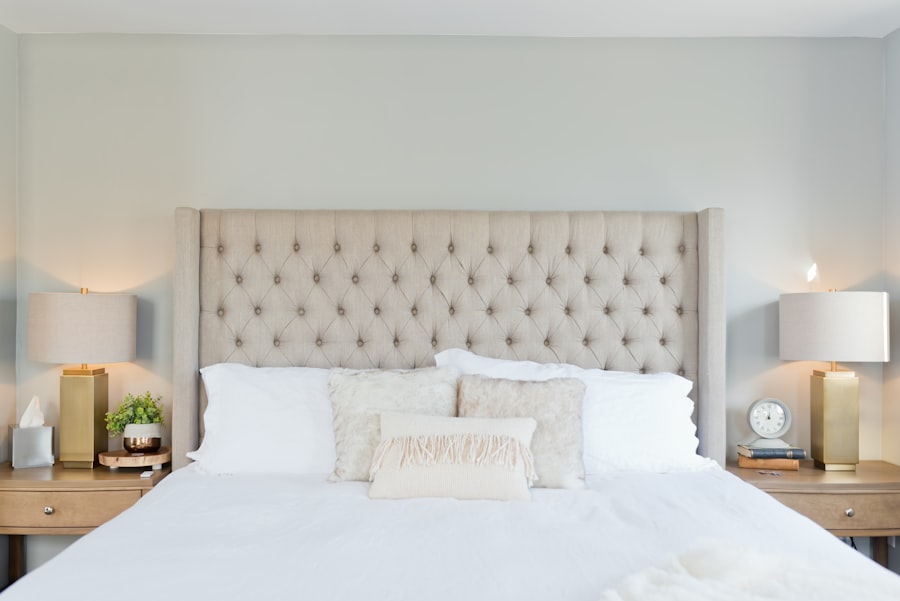
The nightstand surface should hold exactly three objects: a lamp (or phone charging cable if using the phone as an alarm), the current reading material, and a glass of water. Every other object that habitually appears on nightstand surfaces — phone, glasses, hand cream, multiple books, earplugs, chargers, medication, change — belongs either in the nightstand drawer or in a designated location elsewhere in the room.
The nightstand drawer is the correct location for objects needed during the night or immediately on waking: reading glasses, earplugs, a phone charger, medication taken at a set time. It should be accessible in the dark without searching, which means it must be organized — not a general deposit drawer — with frequently needed items at the front and less-frequent items at the back. A small drawer organizer or divider tray achieves this for a negligible cost.
A wall-mounted nightstand shelf — replacing a freestanding unit entirely — recovers 40 to 50 centimeters of floor depth per side while providing the same surface and storage function. In bedrooms where floor area is genuinely constrained, this single change creates meaningful additional floor space and reduces the visual weight of the room considerably.
Zone 4: Top-of-Wardrobe Storage
The space above a wardrobe that does not reach the ceiling is dead storage volume in most bedrooms. The gap between the wardrobe top (typically 200 to 210 centimeters) and the ceiling (typically 240 to 260 centimeters) is sufficient for one row of storage boxes, which in a three-door wardrobe represents significant additional storage capacity assigned to seasonal, occasional, and archival items that are accessed infrequently.
Use uniform-height boxes of identical dimensions across the full wardrobe top. Mixed heights and sizes create a visual disorder that makes the ceiling zone feel cluttered even when the rest of the room is organized. A consistent row of labeled matching boxes reads as deliberate storage rather than accumulated overflow. Assign this zone to the lowest-frequency items: off-season luggage, winter bedding in summer, formal occasion accessories used annually.
Zone 5: Behind-Door and Residual Wall Space
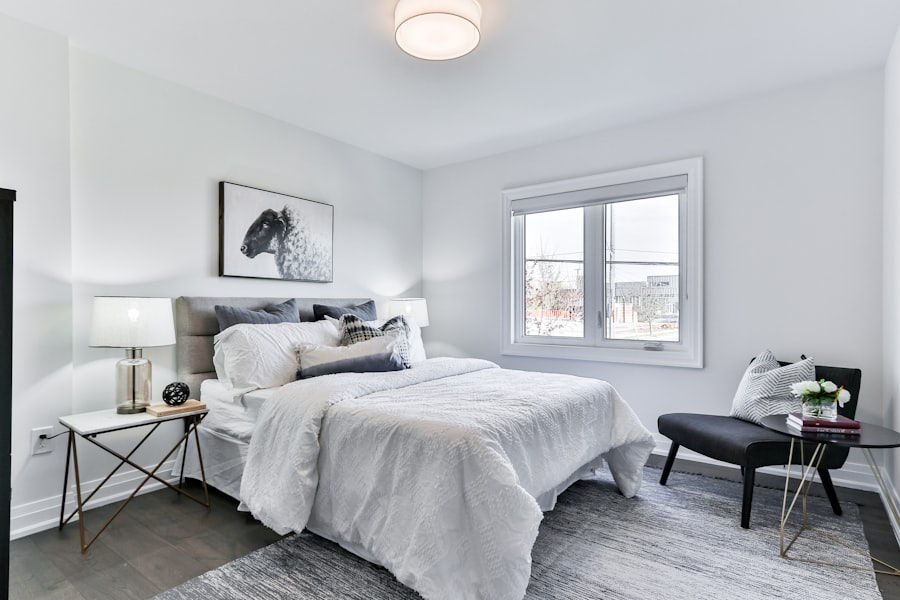
The back of the bedroom door is a storage surface that requires no floor space, no drilling in most tenancy agreements (over-door hooks require no fixing), and is accessible in a natural motion — visible every time the door opens or closes. Over-door organizers in the bedroom work best for: accessories (scarves, belts, bags), shoes in a pocket organizer, a full-length mirror, or a hook rail for robes and tomorrow’s outfit.
Residual wall space — narrow sections between furniture pieces, the wall beside the bed above the nightstand, the wall space above a low dresser — can absorb floating shelves, hook rails, or a small wall-mounted organizer without requiring floor footprint. These interventions are most useful for objects that are currently landing on surfaces by default: keys, jewelry, daily-wear accessories, a reading lamp that the nightstand cannot accommodate.
For the sleep environment principles that should govern what is placed in the bedroom versus what should be stored elsewhere, our guide on the room-by-room organization system covers the cognitive and neurological case for bedroom minimalism in detail.
The Bedroom Storage Audit: A Starting Process

Before reorganizing any bedroom zone, empty it completely. This applies to the wardrobe, under-bed storage, nightstand drawers, and top-of-wardrobe zone. Everything removed is evaluated before anything returns. The purpose is to prevent the most common organizational error: rearranging existing objects into a tidier configuration without reducing their volume. An overfull wardrobe reorganized is still an overfull wardrobe. The audit creates the breathing room that makes every subsequent organizational decision more effective.
Objects removed during the audit are sorted into four categories: keep and return to the bedroom, store elsewhere in the home (seasonal or occasional-use items that are not bedroom-specific), donate or discard, and belonging to another room that should be returned there. The fourth category is typically more populous than expected — bedrooms accumulate objects from every room of the house through the same mechanism that makes them the default deposit zone for homeless objects.
After the audit, the reduced volume is returned to the bedroom using the zone-by-zone optimization described above. The result is invariably a bedroom with more apparent space, better visual clarity, and significantly lower ambient cognitive load than the pre-audit state — not because the room changed, but because its contents were deliberately chosen rather than accumulated by default.

The double hanging rail changed my wardrobe capacity entirely. I had a single rail with shirts, jackets and folded trousers all mixed at the same height. The bottom half was wasted. Added a second rail at 90cm — same wardrobe, double the short-garment capacity. I have been staring at this solution for three years without implementing it.
Three objects on the nightstand is a rule I thought was unrealistically minimal until I counted what was on mine: seven items including two dead phone chargers, a book I finished months ago and a receipt. Cleared it to three. The bedroom reads as a different room. The calm is immediate.
Clear-sided under-bed containers were the specific implementation detail I was missing. I had opaque boxes that I couldn’t identify without pulling out and opening each one, so I stopped using the under-bed storage for anything except permanent exile. Switched to clear-sided fabric drawers on wheels. The seasonal rotation actually happens now.