
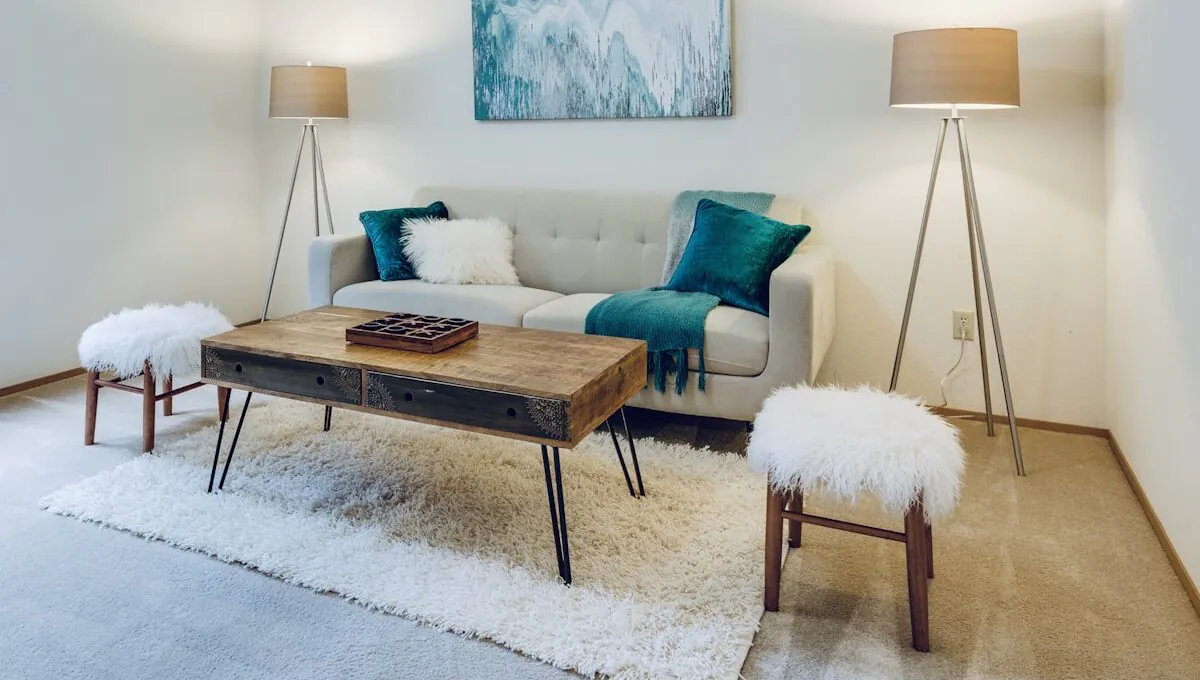
- Zones in an open plan are defined by rugs, furniture positioning, ceiling treatment, and lighting — not by physical barriers.
- The sofa back is the most effective soft boundary available — turning it toward the zone it belongs to and away from adjacent zones creates separation without walls.
- Each zone needs its own light source — overhead lighting that spans multiple zones prevents the visual separation that makes zoning work.
- Rug size is the most common error: a rug must be large enough for all furniture in the zone to sit on it, or at minimum for front legs to be on it.
- Consistent flooring across the entire open plan is preferable to zone-by-zone flooring changes, which produce visual fragmentation rather than cohesion.
Open-plan living spaces are the dominant floor plan in new residential construction and the most common renovation outcome when internal walls are removed from older properties. They offer genuine advantages — natural light distribution, visual spaciousness, social flexibility — but they create a design challenge that enclosed rooms do not: how to make multiple functional areas feel distinct and purposeful without the physical definition that walls provide.
The answer is zone definition: the use of furniture, rugs, lighting, and ceiling treatment to create boundaries that read as architectural even though they are not structural. A well-zoned open plan feels like a collection of purposeful rooms that happen to share a floor; a poorly zoned open plan feels like a single large space in which furniture has been deposited at random.
The Rug as Zone Anchor
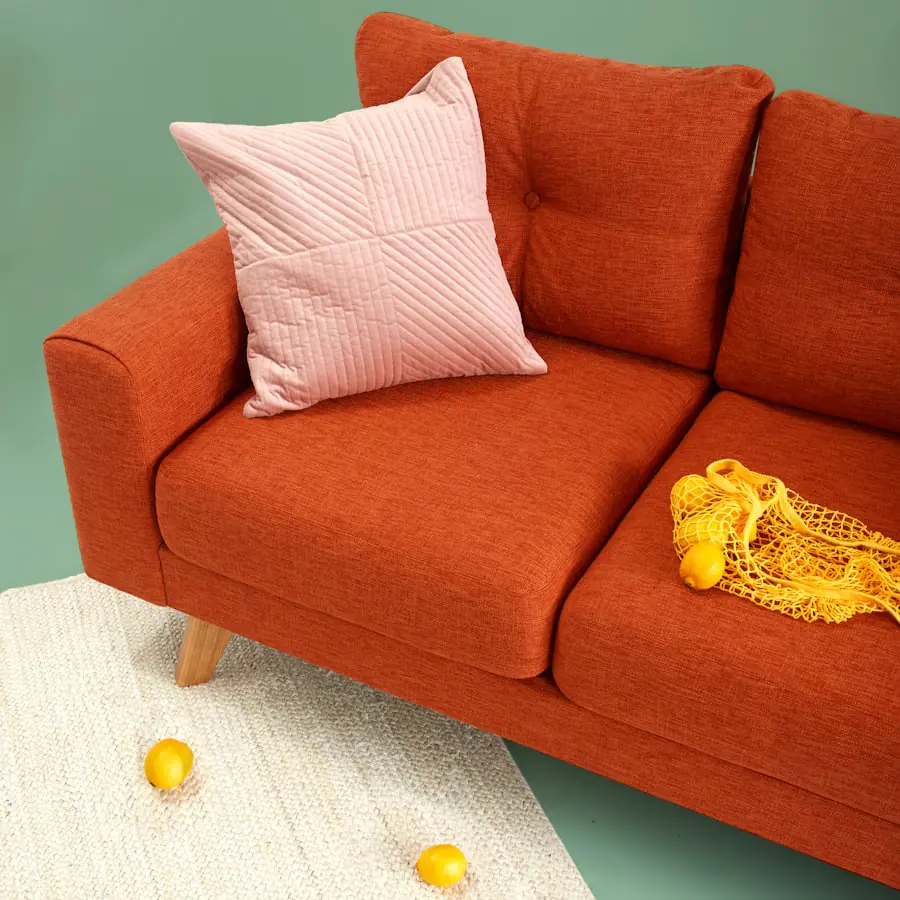
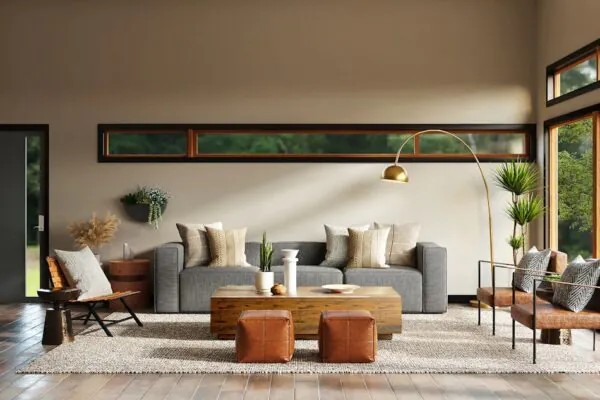
A rug is the most powerful zone-definition tool available in an open plan because it creates a visual floor boundary that functions as a room within a room. Every piece of furniture in the seating zone placed with at least its front legs on the rug belongs to that zone, visually and spatially. The same furniture with its legs off the rug reads as floating in the larger space — undefined and unanchored.
Rug sizing is the most consistently made error in open-plan design. The instinct is to buy a rug that fits the visual space between furniture pieces — which produces a rug that is too small for the zone it is meant to define. The correct specification is a rug that is large enough for all furniture legs in the seating group to sit on its surface, or at minimum for the front legs of all pieces to be on the rug simultaneously. For a seating group with a three-seat sofa, two armchairs, and a coffee table, this typically requires a rug of at least 240cm by 300cm. A rug of 160cm by 230cm in the same configuration will look undersized and will fail to anchor the zone.
Furniture as Soft Boundary
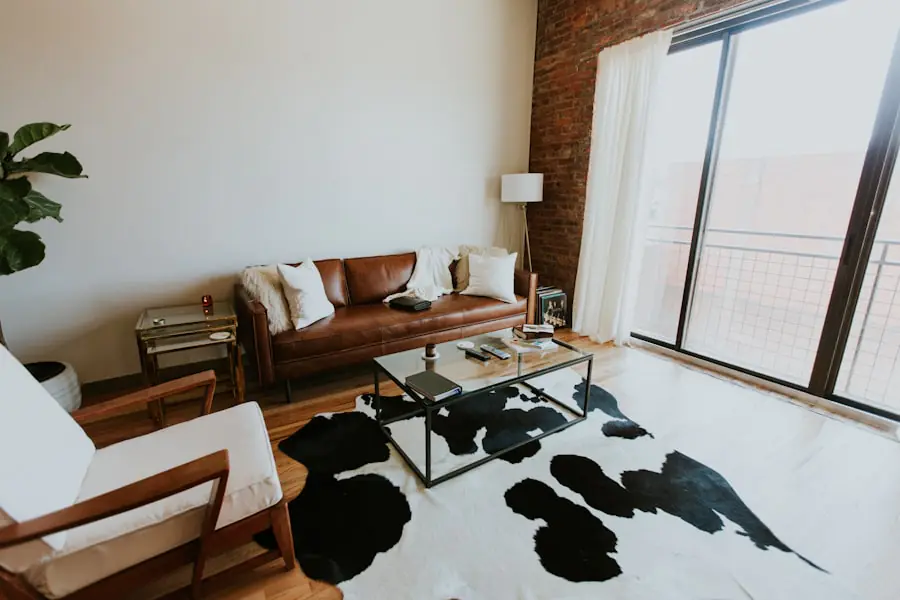
The sofa back is the most effective soft boundary in an open plan. A sofa positioned with its back toward the kitchen or dining area and its face toward the living zone creates a visual separation between areas that functions like a low wall — it defines the boundary of the living zone without blocking sightlines or light, and without requiring any structural intervention. The effect is immediate and significant; the same sofa positioned parallel to a wall facing into the space produces no zone definition at all.
Tall shelving units, room dividers, and open-back bookshelves can reinforce this boundary where a sofa alone is insufficient — particularly in very large open plans where the sofa back sits too low to define a meaningful visual boundary across a wide floor area. Open-back shelving allows light and sightlines to pass through while still creating a readable spatial boundary. The storage function is secondary; the zone-definition function is primary.
Lighting Each Zone Independently
Overhead lighting that spans the entire open plan produces uniform illumination that visually flattens the space, eliminating the zonal distinction that furniture and rugs have established. Each zone needs its own dedicated light source positioned at a height and location that corresponds to that zone’s function: a pendant light hung low over the dining table (typically 65 to 75cm above the table surface) anchors the dining zone visually and functionally. A floor lamp in the living zone provides warm ambient light that defines the seating area after dark. Under-cabinet lighting in the kitchen defines the preparation area.
The principle is that when any single zone’s light is switched on independently, that zone is visually activated and the others recede. This on-off zone activation is what creates the impression of multiple distinct spaces within a single floor plan — the open plan becomes an inhabited collection of purposeful areas rather than a single undifferentiated space.
Ceiling Treatment and Visual Height
The ceiling is the most underused surface in open-plan zone definition. A change in ceiling colour, finish, or height above a specific zone reads as an architectural distinction — separating the space above that zone from the space above adjacent zones — without requiring any structural modification. A painted feature ceiling in a contrasting or deeper tone above the dining table, in an otherwise white-ceilinged open plan, creates a canopy effect that defines the dining zone as strongly as a partial wall would.
Ceiling-mounted track lighting, pendant clusters, or exposed beam treatments serve the same zoning function if colour differentiation is not appropriate. The principle is consistent: a ceiling treatment that corresponds in plan to the zone beneath it creates a vertical boundary reading that reinforces the horizontal zone definition produced by the rug and furniture. For how this zonal approach integrates with storage and organisational decisions in open-plan spaces, our room-by-room organisation system covers the functional logic of each zone in detail.
What Not to Do: The Fragmented Open Plan
Three approaches consistently produce the poorly zoned open plan: furniture pushed to the walls (leaving the centre of the space empty and preventing zone definition), multiple small rugs for multiple zones (producing visual fragmentation rather than cohesion — one large rug per zone, not several small ones), and different flooring for each zone (tile in the kitchen, carpet in the living area, hardwood in the dining area produces the impression of three separate rooms improperly joined rather than one cohesive space with distinct zones). Consistent flooring throughout the open plan, with zone definition achieved through the tools described above, produces the most successful result in almost all configurations.
Colour and Material Continuity Across Zones
Alongside flooring consistency, colour and material continuity across an open plan reinforces the impression of a cohesive space rather than adjacent rooms. This does not mean every zone uses identical colours — it means the zones share the same colour palette, with the distribution shifting between them. The living zone might use the dominant colour on upholstery and the accent colour in cushions; the dining zone might use the dominant colour on the table base and the secondary colour in chair upholstery; the kitchen might use the dominant colour on cabinetry. All zones belong to the same palette; none reads as disconnected from the others.
Material consistency follows the same logic. If timber is used in the dining chairs, it should appear somewhere in the living zone — a coffee table, a side table, a floor lamp base. If the kitchen uses a stone worktop, a stone or stone-effect accessory in the living zone creates the material thread. These echoes do not need to be exact matches; they need to be of the same family. The open plan reads as designed when there is evidence of a single considered mind behind the material and colour decisions, rather than three separately decorated zones that happen to share a floor. For the organisational system that supports the uncluttered surfaces that make an open plan read well, our room-by-room organisation guide covers each functional zone in detail.
Plants and Greenery in Zone Definition
Large-format plants — a fiddle-leaf fig, a monstera, a tall potted olive or citrus — function as soft vertical zone markers in the same way that a freestanding shelving unit does, but with a visual warmth and organic quality that furniture cannot replicate. Positioned at zone boundaries rather than in zone centres, a large plant defines the edge of a zone without the visual weight of a piece of furniture. Two large plants placed symmetrically at the corners of the seating zone entrance reinforce the zone boundary while adding a sculptural quality that reads as designed rather than incidental.
The consistency principle applies to plants in an open plan as it does to all other elements: a consistent plant species or pot style across all zones (all terracotta, all ceramic, all the same species) reads as deliberate. An assortment of different species in different containers reads as accumulation. One or two well-chosen, well-maintained plants in each zone outperforms a proliferation of smaller plants scattered throughout the space.
The rug sizing guidance is the correction I needed. I had a 160x230cm rug in a seating group that required at least 240x300cm. The furniture floated around the rug rather than on it and the zone never read as contained. Replaced with the correct size. The living zone now reads as a room within the room — completely different spatial impression from the same furniture arrangement.
The sofa-back-as-boundary concept transformed my open plan. I had the sofa parallel to the kitchen wall facing into the room, which left the living zone undefined. Rotated it 90 degrees with the back toward the kitchen. The living area is now a room. Same sofa, same floor, same space — completely different reading.
Chiara — the sofa rotation is one of the highest-impact zero-cost interventions available in an open plan. It costs nothing and takes 20 minutes, but the spatial reading change is immediate and permanent. It is consistently the first recommendation in any open-plan consultation.