
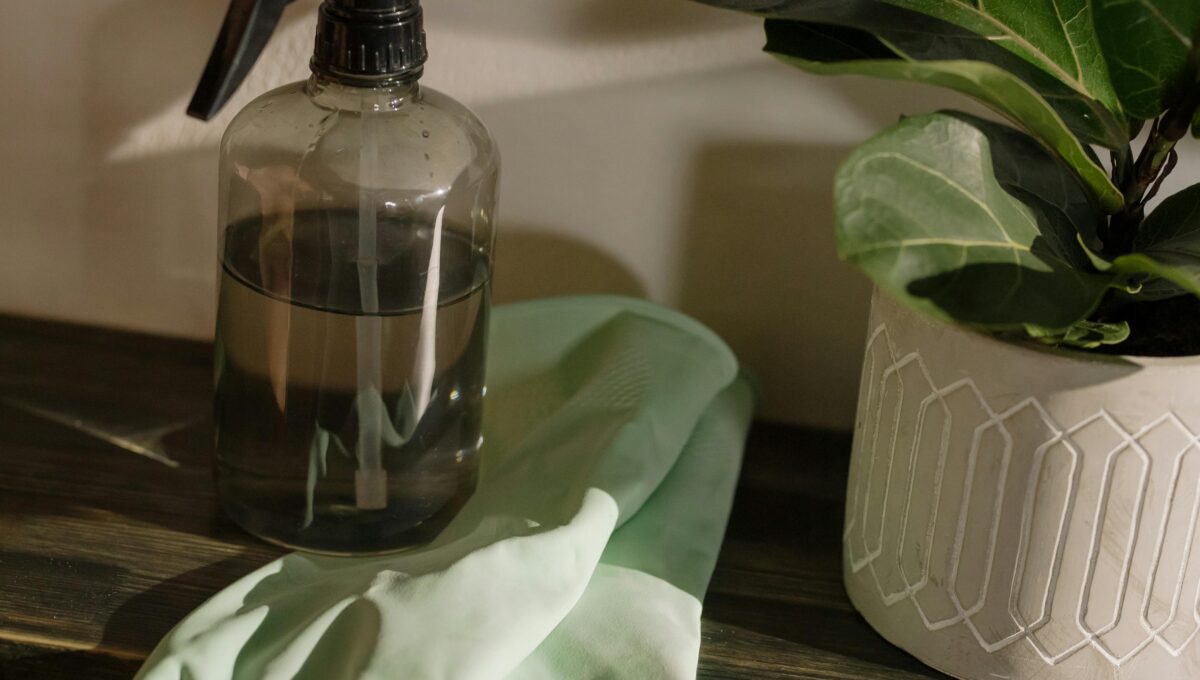
The kitchen is cleaned more often than almost any other room in the house — and yet somehow still manages to be one of the most neglected when it comes to deep cleaning. The everyday wipe-down keeps surfaces presentable, but grease builds up in places you’re not looking at, fridge seals quietly collect mold, and the inside of the oven becomes something you’d rather not think about. Here’s how to properly clean every surface, with the methods and products that actually work.
Start With the Oven — The Most Avoided Surface in Any Kitchen

The oven is the surface most people clean least often — and the one that benefits most from a proper deep clean. Commercial oven cleaners work, but they contain harsh chemicals that leave fumes and require significant ventilation. The method professional cleaners increasingly recommend is the baking soda paste approach, which works just as well and is completely non-toxic.
Mix half a cup of baking soda with a few tablespoons of water to form a spreadable paste. Remove the oven racks, coat every interior surface with the paste, and leave it overnight — 12 hours minimum. The next day, wipe away with a damp cloth, then spray with a diluted white vinegar solution (1:1 with water) to dissolve any remaining residue. “This method is the one I recommend to every client,” says Melissa Maker, founder of Clean My Space and author of Clean My Space: The Secret to Cleaning Better, Faster. “It requires patience but zero elbow grease.”
- Baking soda paste: ½ cup baking soda + water, applied overnight, wiped clean the next day
- Oven racks: Soak in hot water + dish soap in the bathtub for an hour before scrubbing
- Self-cleaning function: Use sparingly — the extreme heat can degrade the door seal over time
- Glass door: Baking soda paste on the inside, vinegar spray on the outside, squeegee to finish
The Fridge: Clean Inside, Outside, and the Parts Nobody Checks

The fridge gets wiped when something spills, but a proper deep clean means removing everything, pulling out the drawers and shelves, and cleaning the parts that are easy to forget. The bottom vegetable drawers are typically the dirtiest spot in any fridge — and the rubber door seal is where mold quietly accumulates.
For the interior, a solution of warm water and a small amount of white vinegar (or a drop of dish soap) works on all surfaces and doesn’t leave chemical residue near food. For the door seal, use an old toothbrush with a diluted bleach solution — just a teaspoon of bleach in a cup of water — and work it into all the folds.
“The fridge door gasket is the most frequently missed surface in a kitchen clean. It takes five minutes with a toothbrush and diluted bleach, and it prevents mold that can transfer to food.”
— Jolie Kerr, cleaning expert and author of My Boyfriend Barfed in My Handbag…and Other Things You Can’t Ask Martha
- Completely empty the fridge before cleaning — this is non-negotiable
- Door seal/gasket: Old toothbrush + diluted bleach solution, work into every fold
- Shelves and drawers: Wash in the sink with warm soapy water — allow to return to room temperature before replacing
- Coils: Vacuum the condenser coils at the back or bottom once a year — reduces energy use and extends fridge life
- Frequency: Full deep clean every 3 months; quick wipe-down monthly
The Stovetop, Extractor Hood, and the Grease Nobody Sees

Grease doesn’t just land on the stovetop — it travels. It coats the extractor hood, the cabinet doors near the hob, the tiles and splashback, and even surfaces further away than you’d expect. A proper kitchen deep clean addresses all of it, not just the obvious surfaces.
For the stovetop, remove all burner grates and soak them in hot water with a generous squirt of dish soap while you clean the surface. For gas burners, a thin coat of cooking oil on the cast iron grates after cleaning prevents rust. The extractor hood filter — typically a metal mesh — should be soaked in boiling water with a tablespoon of baking soda and a squirt of degreaser. For stubborn grease, Apartment Therapy’s deep cleaning experts recommend Bar Keepers Friend as the most effective all-purpose cleanser for kitchen surfaces.
- Stovetop spray: 1 part white vinegar + 1 part water + 1 drop dish soap in a spray bottle
- Grates: Soak in hot soapy water for 30 minutes, then scrub — rinse and dry completely
- Extractor filter: Boiling water + baking soda + degreaser soak, then rinse and air dry
- Cabinet doors: Diluted dish soap on a microfiber cloth — follow the grain of the finish
- Frequency: Stovetop after every use; extractor filter monthly
Counters, Sink, and the Surfaces That Look Clean But Aren’t

Kitchen counters get wiped daily, but wiping isn’t the same as cleaning. Bacteria can survive on surfaces that look visually clean, particularly around the sink drain and on cutting boards. A proper clean disinfects, not just clears. For most counter surfaces — granite, quartz, laminate — a diluted dish soap solution or a dedicated stone-safe spray is sufficient. Avoid vinegar on natural stone; the acid etches the surface.
The sink drain and garbage disposal are the two most bacteria-dense spots in most kitchens, and the two that get cleaned least often. Pour half a cup of baking soda down the drain followed by half a cup of white vinegar, leave for 15 minutes, then flush with boiling water. For the disposal, freeze white vinegar in an ice cube tray and run a few cubes through — it cleans the blades and deodorizes simultaneously.
- Counters: Diluted dish soap on a microfiber cloth — work in sections, rinse, dry
- Cutting boards: Salt + cut lemon scrub for wood; dishwasher for plastic (replace when deeply scored)
- Sink: Baking soda paste, scrub with a brush, rinse with boiling water
- Drain: Baking soda + vinegar monthly; boiling water weekly to prevent buildup
- Disposal: Vinegar ice cubes monthly to clean and deodorize
The Deep-Clean Frequency Schedule That Prevents Buildup
The single biggest factor in how difficult a kitchen clean is? How long it’s been since the last one. Grease that’s been sitting for a month requires ten times the effort of grease that’s been there a week. A simple frequency schedule prevents the “I’ve been avoiding this for six months” scenario entirely.
- Daily: Wipe counters after cooking; wash dishes; clear the sink
- Weekly: Stovetop deep wipe; microwave interior; bin liner change
- Monthly: Fridge interior; extractor filter; drain treatment; cabinet door wipe
- Quarterly: Full oven clean; fridge coils; inside of cabinets; back of drawers
- Annually: Deep clean behind and under appliances; descale kettle and coffee maker
For more kitchen cleaning strategies and product recommendations, Real Simple’s home cleaning experts have a comprehensive breakdown of the most effective techniques room by room.




The oven cleaning tip with baking soda paste is a total game changer. I’d been avoiding my oven for months because I dreaded using chemical sprays. Left the paste overnight exactly as described and it wiped clean with barely any effort. Genuinely shocked. Will be doing this every month now!
Really useful breakdown. The part about cleaning the fridge seal/gasket was new to me — I don’t think I’ve ever cleaned that in four years of living in this apartment. Slightly horrified but fixed now! Thanks for including the often-forgotten spots.
Question: for a self-cleaning oven, do you still recommend the baking soda method, or just run the self-clean cycle? I’ve heard the self-clean can damage the oven seal over time and wasn’t sure which was better for long-term maintenance.
The vinegar and water ratio for the stovetop spray is spot on. I’ve been using neat vinegar and it was leaving a slight residue. The 1:1 ratio and a drop of dish soap made a huge difference. Also the tip about cleaning the extractor hood filter — mine is soaking in degreaser right now as I type this.
I followed this guide for a rental property we were cleaning out and got the full deposit back, which has genuinely never happened before. The estate agent specifically commented on the kitchen condition. Sending this to every friend who’s about to move.
Love that this doesn’t recommend buying 12 different specialist products. The baking soda, vinegar, and dish soap approach handles basically everything and costs almost nothing. I’ve started keeping a little spray bottle of the diluted vinegar solution under the sink permanently now.