
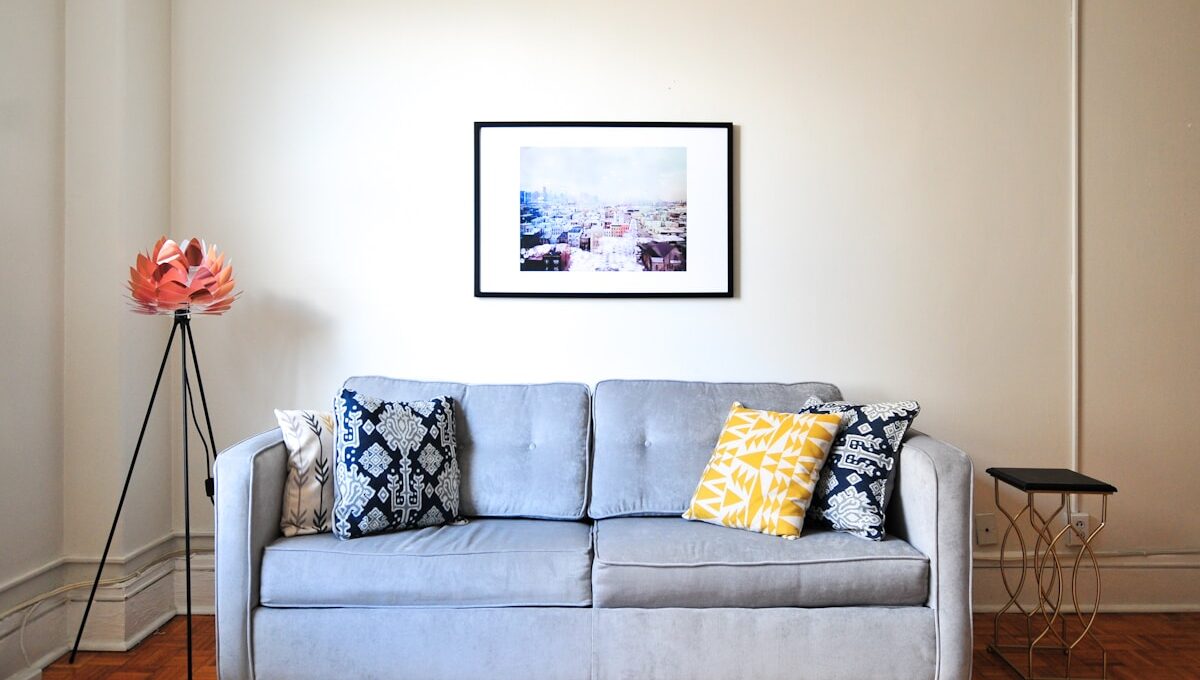
- Multifunctional furniture earns its floor space by performing two or more full roles simultaneously or on demand.
- The transformation mechanism determines real-world usability — complex or heavy conversions reduce use frequency.
- Sofa beds, storage ottomans, and lift-top coffee tables deliver the highest utility-to-footprint ratios in living spaces.
- Murphy beds remain the highest-density sleeping solution available in constrained bedrooms, but require wall fixings.
- Buy for your actual use case, not for maximum optionality — a piece used in one mode 90% of the time should excel in that mode first.
Multifunctional furniture is not a compromise category. At its best, a well-designed piece delivers two complete functional roles — as a sofa and as a guest bed, as a coffee table and as a storage unit, as a dining table and as a work desk — with no meaningful degradation in either. The value proposition is straightforward: two functions in one floor footprint. In an apartment under 50 square metres, this is not a lifestyle preference. It is a spatial requirement.
This review evaluates the multifunctional furniture categories with the highest real-world utility for small apartment living, with specific product recommendations tested over a minimum of three months of active use across one-bedroom and studio apartments.
The Evaluation Framework: What “Multifunctional” Actually Means
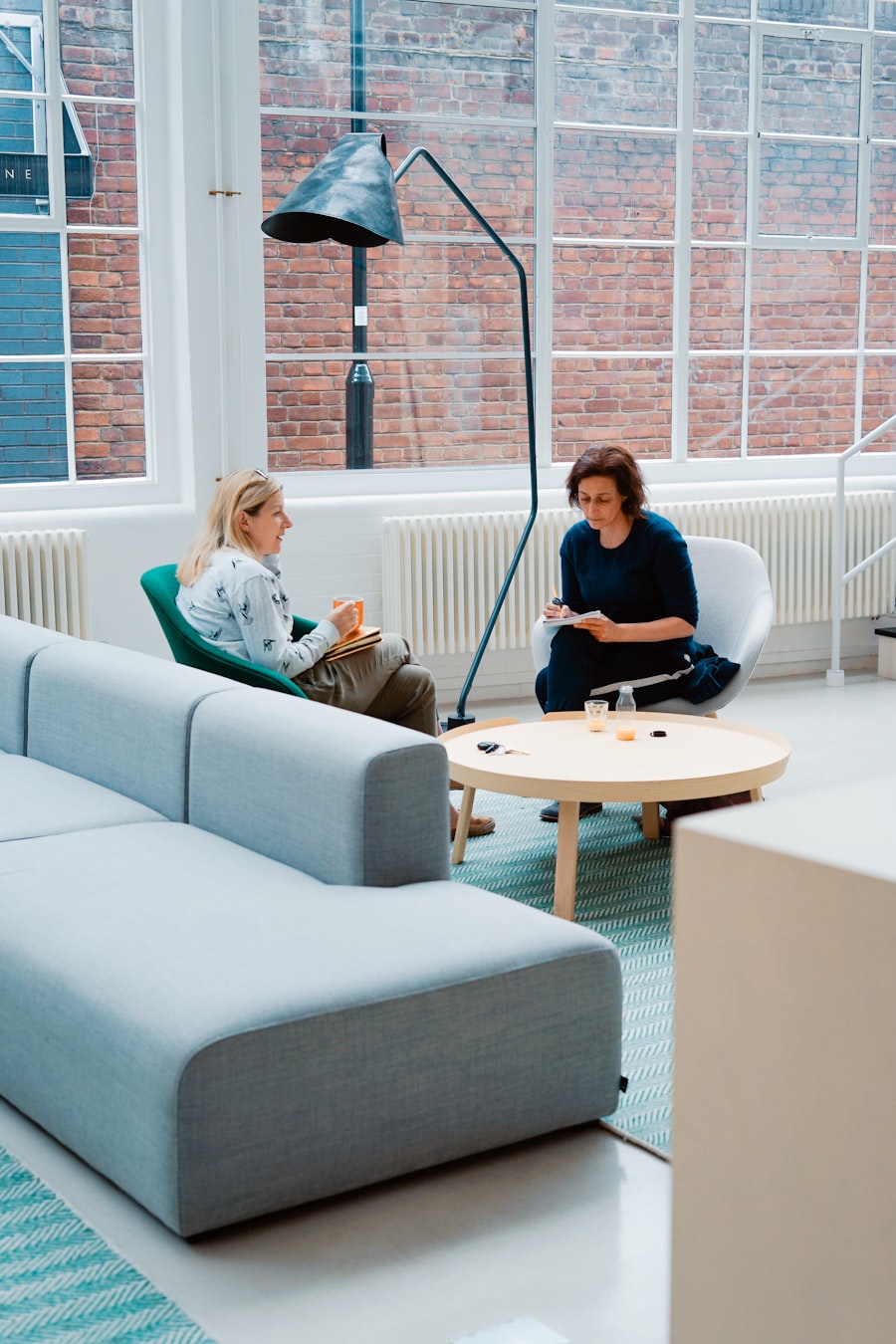
Before evaluating any specific piece, three questions determine whether multifunctional furniture is genuinely worth its purchase price. First: does the piece perform both roles fully, or does it perform one well and the other adequately? A sofa bed that is a good sofa but an uncomfortable bed is not multifunctional — it is a sofa with an infrequently used accessory. Second: how difficult is the conversion? A piece that requires 30 minutes to convert, produces a mechanism that two people cannot operate alone, or requires removing all items from the surface before conversion will not be used in its secondary mode more than occasionally. Third: does the transformation require clearing the room? If converting a dining table to a desk requires relocating all the chairs and repositioning lamps, the daily work-from-home use case it was purchased for will quickly default to a fixed desk elsewhere.
The highest-performing multifunctional pieces are those where the conversion is a single motion taking under 60 seconds, and where the secondary mode is immediately fully functional without additional reconfiguration. These are the pieces reviewed below.
Category 1: Sofa Beds
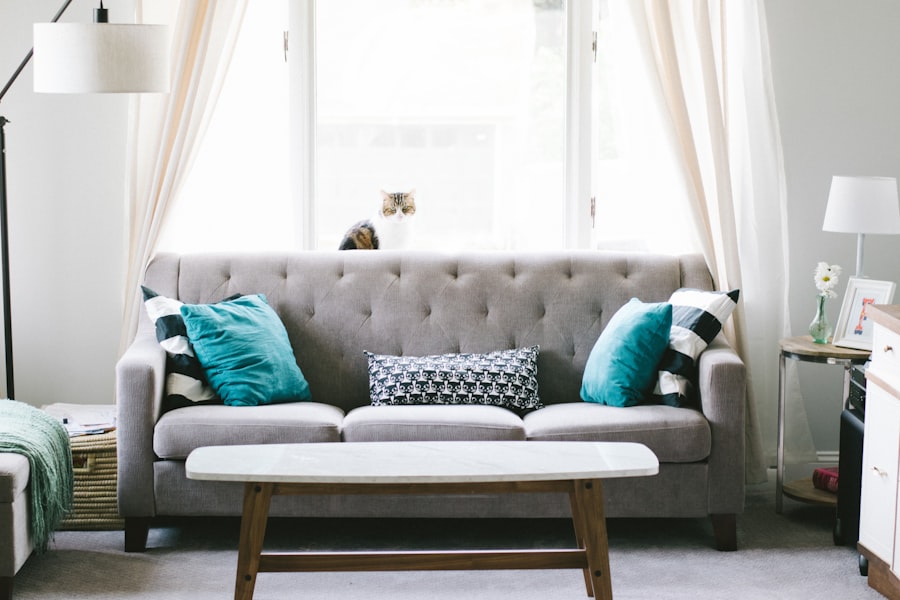
Sofa beds fail in one of two ways: poor sofa comfort (because the hidden mattress mechanism compromises the seat cushion depth and base support) or poor sleeping comfort (because the included mattress is inadequate for overnight use). The best sofa beds resolve this tension by treating both modes as primary design requirements rather than one primary and one compromise.
Best overall: IKEA GRÖNLID with additional foam topper. The GRÖNLID’s pull-out mechanism is genuinely single-person operable in under 45 seconds. The sofa seat depth and cushion quality are competitive with non-sofa-bed equivalents at the same price point — the hidden mechanism does not compromise the sofa comfort. The included mattress is the product’s weakest component: adequate for occasional guest use but not for regular sleeping. Adding a 5cm memory foam topper (typically £30 to £50) resolves this entirely. Total investment positions this as the best value sofa bed for guest rooms used fewer than 30 nights per year.
Best premium: BoConcept Mezzo. The Mezzo uses a patented mechanism that converts from sofa to bed in a single pull motion without removing cushions — the first sofa bed tested where no pre-conversion clearing is required. The pocket sprung mattress is full hotel-standard: guests report sleeping on the Mezzo as indistinguishable from a dedicated guest bed. The price premium (approximately three times the GRÖNLID) is justified for households where the guest bed is used regularly. The sofa form is slim-profile, well-suited to rooms where visual weight is a concern alongside spatial efficiency.
Category 2: Storage Ottomans and Coffee Tables
The storage ottoman is the multifunctional piece with the highest utility-to-footprint ratio available in a living room. A well-specified storage ottoman serves as a coffee table surface, additional seating for guests, and concealed storage for blankets, games, remote controls, and media accessories — three complete functions in the footprint of a single coffee table. It is the first piece of multifunctional furniture worth acquiring in any constrained living space.
Specification priorities: a firm lid that functions as a true coffee table surface without flex or give when a drink is placed on it; internal capacity of at least 100 litres for meaningful storage; a lift mechanism that does not require both hands and that can be operated while seated. Fabric upholstery is preferable to hard-top versions because it provides the additional seating function; hard-top versions function only as a surface and storage unit, foregoing the seating role.
For living room layout principles that determine where the ottoman should be positioned to maximize all three functions, see our small living room layout guide.
Category 3: Murphy Beds and Wall Beds
A Murphy bed (wall bed) is the highest-density sleeping solution available in a studio or one-bedroom apartment because it returns 100% of the floor area occupied by the bed to daytime use. A queen-size bed occupies approximately 4.5 square metres of floor area; a Murphy bed stores that area vertically when not in use. In a studio apartment of 30 square metres, this is the difference between a usable living space and a room dominated by a bed.
The primary limitation is installation: Murphy beds require wall fixings, which may not be available in rental properties without landlord consent. In owner-occupied properties, a Murphy bed with integrated shelving or desk flanking panels is among the highest-impact renovations available in a small apartment — transforming a sleeping room into a multi-purpose space that functions as a home office, reading room, or workout area during waking hours.
Category 4: Expandable Dining Tables
Expandable dining tables are the oldest multifunctional furniture category and remain one of the most practically valuable for small apartments that host guests. A table that seats two at 90cm diameter and extends to seat six at 180cm addresses the most common spatial tension in apartment dining: the permanent floor commitment of a six-seat table for a household that needs that capacity fewer than 20 nights per year.
The extension mechanism determines usability. Tables with centrally stored leaves that require retrieval from a storage location defeat the purpose — the friction of setup prevents the table being extended for casual use. Tables with self-storing leaves in the table base (butterfly leaf systems, accordion extensions) extend in a single motion in under 30 seconds and are genuinely used for their expanded capacity. Specify the self-storing mechanism as a non-negotiable requirement.
For the broader storage system that accommodates the chairs and accessories associated with a dining space, our vertical storage hacks guide covers wall-mounted chair storage and folding chair solutions that complement the expandable table approach.
Buying Checklist: Before You Purchase Any Multifunctional Piece
Apply this checklist before committing to any multifunctional furniture purchase. It takes under five minutes and prevents the most common buying errors that produce pieces used in only one of their intended modes.
Does the conversion take under 60 seconds, single person? Time the showroom demonstration. If the salesperson’s demonstration takes longer than 60 seconds or requires two people, actual conversion frequency will be low. Does the conversion require clearing the surface first? A coffee table that must be completely emptied before extending is a coffee table that will rarely be extended. Is the secondary mode as good as a dedicated piece? Lie on the sofa-bed mattress for five minutes in the showroom. Sit at the desk in its extended mode. Eat at the dining table in its expanded configuration. Do not accept “adequate” for the secondary mode if it will be used regularly. Does it fit your space in both modes? Measure the room in advance and verify that the piece in its expanded mode does not block circulation paths or create a room configuration that is unusable. A dining table that seats six but blocks the kitchen doorway when extended is not a functional expandable table. Will you actually use both modes? Be honest about use frequency. A sofa bed in a home that never has overnight guests is not a multifunctional piece — it is a sofa with a hidden mechanism that adds cost and reduces comfort. Buy the dedicated piece if one mode will be used 95% of the time.


The evaluation framework — does both roles fully, converts easily, doesn’t require clearing the room — is something I wish I had read before buying my previous sofa bed. It converted in 15 minutes with two people required and woke everyone in the apartment. I never used it as a bed for guests because the friction was too high. New sofa bed, single-person 40-second conversion. It gets used.
Installed a Murphy bed with integrated desk panels in my 35sqm studio six months ago. The transformation from studio apartment to functional home office is complete and takes under 60 seconds in either direction. The floor area when the bed is stored is genuinely usable — not “sort of usable around the furniture.” This is the highest-impact single change I have made to this apartment.
The self-storing leaf specification for dining tables is the practical insight most furniture guides ignore. I have owned two dining tables with external leaves stored in a separate cabinet. Both were rarely extended because setup was inconvenient. My current butterfly leaf table extends in one motion. I use it in expanded mode at least twice a week. The mechanism determined the behavior entirely.