- Modern adhesive and peel-and-stick products make rental-friendly upgrades genuinely indistinguishable from permanent installations.
- The most impactful changes — lighting, window treatment, wallpaper — require no drilling and leave no trace.
- Upgrade in the order of visual impact: walls first, lighting second, surfaces third, fixtures last.
- Document the apartment’s condition before any upgrade with timestamped photographs as deposit protection.
- The legal framework for tenant modifications varies significantly; review your lease before any intervention, however reversible.
Renting does not mean living in an environment you did not choose without the option to shape it. The generation of adhesive, peel-and-stick, and tension-based products available today makes it possible to achieve upgrade results that are visually indistinguishable from permanent installations — and reversible in an afternoon. The constraint is not the technology. The constraint is knowing which products are genuinely good and which sequence of upgrades produces the greatest visual transformation per unit of effort and expenditure.
This guide covers the rental-friendly upgrades with the highest visual impact, ordered by the perceptual change they produce in the space.
Walls: The Highest-Impact Surface

Walls determine the character of a room more than any other surface. In a rented apartment with developer-white walls, the room has no character to work with. Peel-and-stick wallpaper applied to a single feature wall — the wall behind the bed, the wall facing the entry point, the kitchen backsplash — transforms the entire spatial character of the room at a cost typically under $150 and a reversibility window of a few hours with a heat gun or hair dryer.
The product quality in this category has improved dramatically in recent years. Premium peel-and-stick wallpapers from brands such as Tempaper, Chasing Paper, and Walls Need Love are printed on non-woven fabric with repositionable adhesive that removes cleanly from standard painted surfaces without peeling paint or leaving residue. Apply to one wall only — a full-room application of peel-and-stick wallpaper is rarely successful at the rental scale because edge management on four walls in a non-square room is technically demanding. A single feature wall requires managing only two vertical seams and delivers 80% of the visual impact at 25% of the installation complexity.
Our removable wallpaper brands review covers the specific products that perform reliably in rental applications — including which adhesives remove cleanly from different paint types and which patterns conceal installation imperfections most effectively.
Lighting: The Renovation Without a Drill

Rental apartments almost universally suffer from the same lighting problem: a single central overhead fixture that produces flat, harsh, undifferentiated light across the entire room. This is the lighting configuration of a hospital corridor. It renders every room in the same flat, unflattering light regardless of time of day or activity.
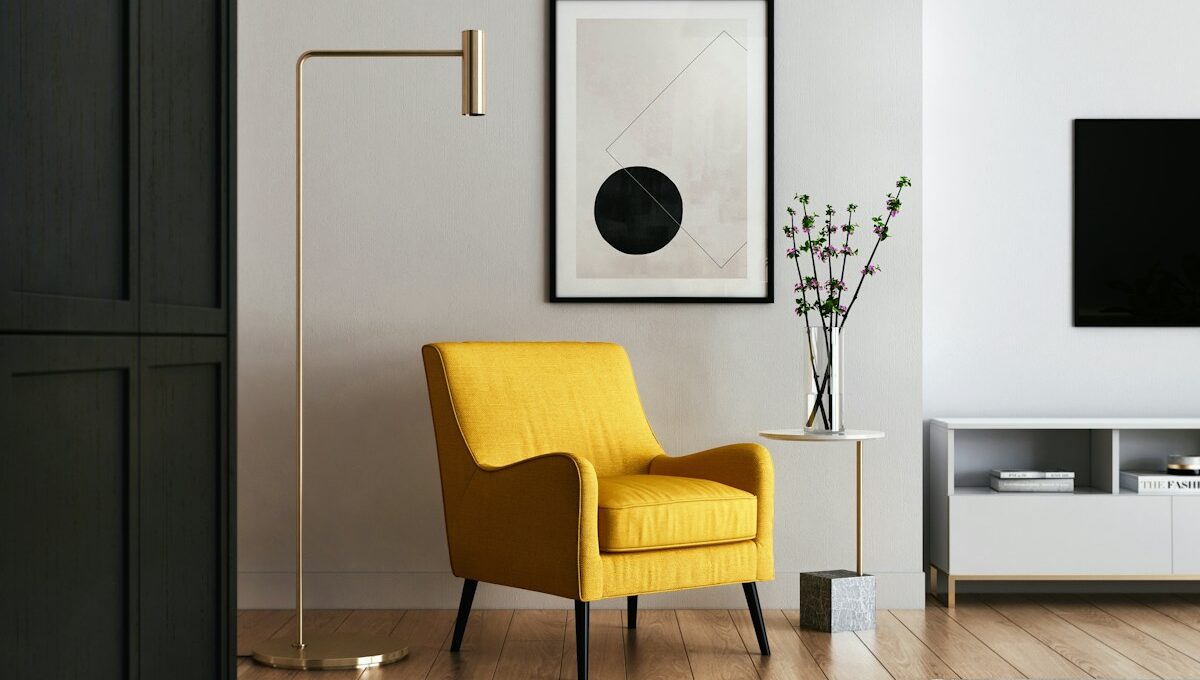
Layered lighting — ambient base, task accent, decorative point sources — is what makes a room feel designed rather than fitted. In a rental, layered lighting is achieved entirely through portable and plug-in sources: floor lamps, plug-in pendant lights, table lamps, and LED strip lighting. Plug-in pendant lights, suspended from an adhesive ceiling hook rated for the fixture’s weight, are the single highest-impact lighting upgrade available to renters. They replace the visual dominance of the central overhead fixture at zero drilling cost. The cord can be dressed along the ceiling and wall using adhesive cord clips, which are removable and leave no trace.
The central overhead fixture does not need to be removed — simply leave it switched off and replace its function with floor and table lamps that create pools of warm light rather than a single flat wash. The transformation is immediate and dramatic.
Window Treatment
Most rental window treatments are either absent or consist of inadequate blinds installed by the landlord. Upgrading window treatment is consistently the second-highest-impact rental intervention after wall treatment. In rooms with no existing treatment, the visual improvement is transformative; in rooms with poor existing blinds, the improvement is still significant.
Tension rod curtain systems require no drilling and no wall fixtures. For windows up to approximately 120cm wide, a tension rod mounted inside the window reveal supports lightweight curtains at low cost. For wider windows or curtains mounted outside the reveal at ceiling height, adhesive curtain rod brackets — rated for the rod weight — are available from several manufacturers and remove cleanly from standard painted walls. The key installation rule: hang the rod at ceiling height, not at window frame height. The additional 30 to 60 centimeters of curtain length, combined with extending the rod 20 centimeters beyond the frame on each side, produces the tall-window effect discussed in the living room layout guide and is a technique available in any rental regardless of actual window size.
Surface Upgrades: Contact Paper and Vinyl

Removable contact paper and adhesive vinyl film allow surface material changes at a fraction of the cost and with complete reversibility. Kitchen cabinet door fronts, bathroom cabinet surfaces, and shelving interiors can be covered with matte, marble-effect, wood-grain, or solid-color vinyl that is applied like wallpaper and removes cleanly after a brief heat-softening. Cabinet hardware — handles and pulls — can be replaced without restriction in most leases and updated by swapping with original hardware reinstalled at move-out.
Butcher block or marble-effect contact paper applied to a laminate kitchen counter provides a surface upgrade at extremely low cost. The installation requires careful bubble-free application and precise edge trimming; improperly applied contact paper looks worse than the original surface. Use a squeegee application tool and apply in sections rather than attempting to cover a full counter in one piece.
Storage: Over-Door, Tension, and Adhesive Systems
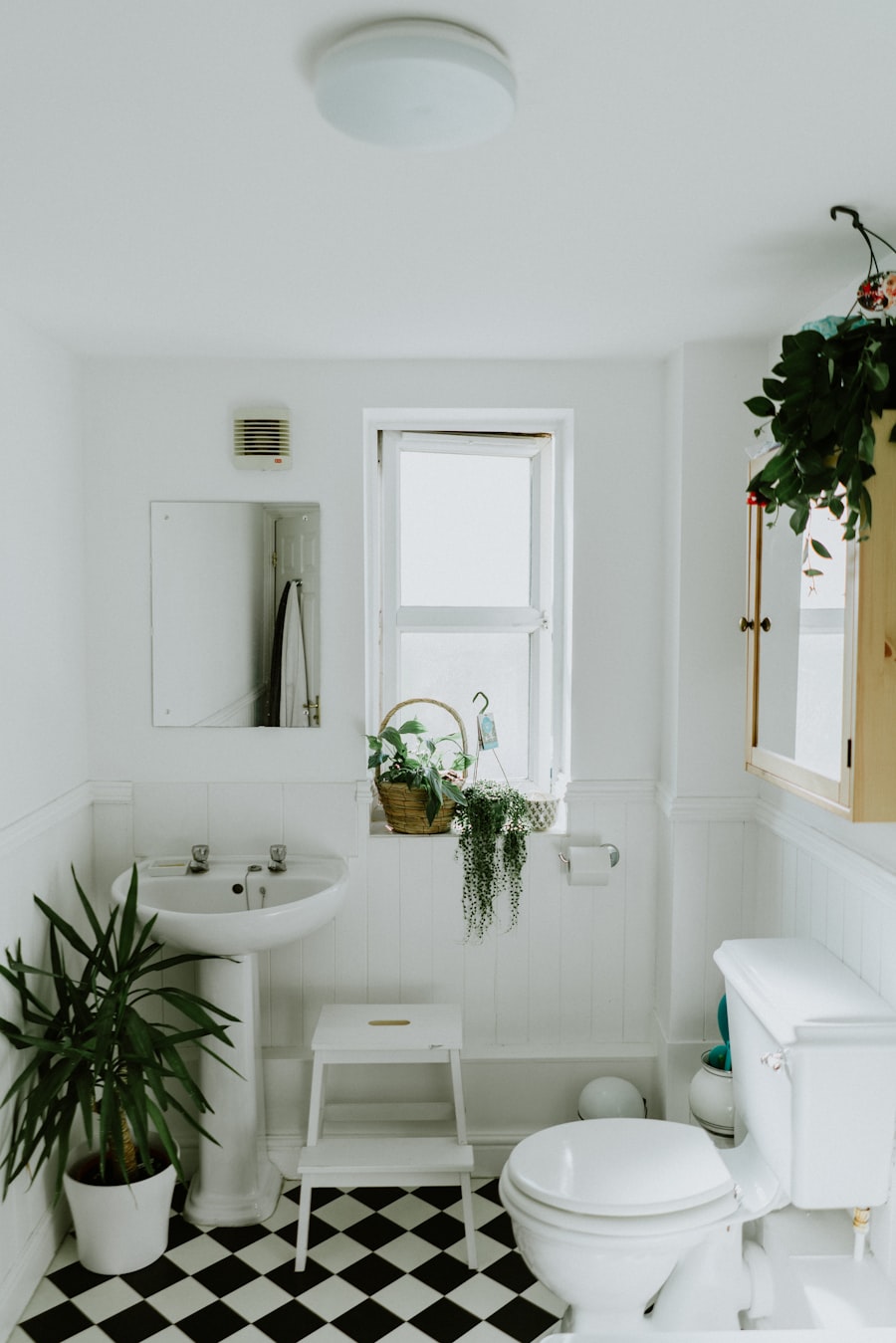
Storage in rental apartments is addressed by three systems that require no permanent fixings. Over-door organizers — hooks, shelves, and pocket systems — hang from door tops without drilling and are appropriate in kitchen, bathroom, bedroom, and closet doors. Tension pole systems — freestanding vertical poles that expand between floor and ceiling — provide shelving column capacity in bathrooms, closets, and kitchen corners without any wall contact. Adhesive mounting systems — command strips and hook systems, VELCRO adhesive mounts — support objects up to the manufacturer’s rated weight on walls and tiles without drilling.
The storage strategy from our over-door storage guide covers the specific product categories and load-rating guidance for each door type. For the full lifestyle system that underpins a rental that stays organized without permanent installation, see our minimalist home daily habits guide.
Before You Begin: Documentation and Lease Review
Before making any modification to a rental, photograph every surface that will be affected with timestamped images. This documentation protects your deposit against any pre-existing damage being attributed to your modifications at move-out. Store the photographs in cloud backup rather than only on a local device.
Review your lease for modification clauses. Most standard tenancy agreements permit reversible modifications — adhesive, peel-and-stick, tension-based — without landlord consent, as these leave no permanent alteration to the property. Some leases are more restrictive. In a rent-regulated or managed-service building, landlord approval may be required even for fully reversible changes. Knowing your lease before starting prevents a post-modification dispute that no amount of clean removal can resolve.
Planning for Move-Out from Day One
Every upgrade decision in a rental should include a move-out plan. Before installing anything, answer two questions: how does this come down, and how long will it take? A peel-and-stick feature wall takes approximately two hours to remove with a hair dryer and a plastic scraper, leaving no residue on standard emulsion paint. An adhesive ceiling hook rated for three kilograms takes thirty seconds to remove with dental floss. A tension rod system collapses in five minutes. These are acceptable move-out overheads. A full-room contact paper application on an uneven wall may take four hours to remove and may pull paint on certain surfaces — this is an unacceptable move-out overhead for a rental.
The rental upgrade principle is that the move-out process should be faster and less damaging than the original installation, not slower and more damaging. Every product decision should be evaluated against this criterion before installation, not after the lease ends. Keeping a brief record of every modification made — product used, surface type, installation date — makes the move-out process systematic rather than ad hoc and ensures nothing is overlooked in the final clean.
The plug-in pendant light with an adhesive ceiling hook changed my rental bedroom entirely. Switched off the overhead fluorescent, hung a warm-toned pendant over the bedside table. Took 20 minutes. The room feels like a hotel suite. I cannot believe I lived under that fluorescent for three years.
The lease review point is the most important practical advice in this article and the one most people skip. I did a peel-and-stick feature wall without checking my lease first. My landlord was fine with it, but that was luck. Taking 15 minutes to read the modification clause protects against a deposit deduction that no amount of careful removal can prevent if the lease prohibited it.
Ceiling-height curtains on a tension rod in my rental living room — total cost including rod and fabric €65. The window looked like it doubled in size. The natural light in the afternoon now reaches the far wall where it never reached before. This is the change I recommend to every renter I know.